


Following the issuance of the world's first circulating, polymer banknote by Haiti in 1980 (printed on the Tyvek® polymer substrate), other countries experimented with early polymer and hybrid substrates, some issuing banknotes into circulation and some just preparing trials that never resulted in issued notes.
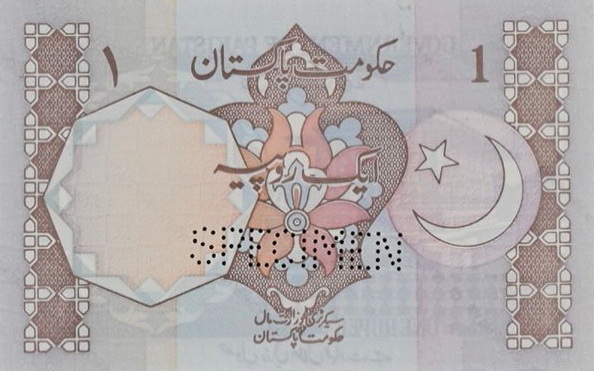
In about 1984, the State Bank of Pakistan printed trials on the polymer substrate manufactured by Securency International at the time (now CCL Secure). The substrate was Guardian™ or an early trial version of Guardian™. It is not known if Securency provided the substrate to the State Bank of Pakistan and the notes were printed in Pakistan, or if they were printed in Australia.
It appears that just four denominations were printed on polymer, a 1-, 2-, 5- and a 50-rupee denomination. None has a serial number and each is perforated SPECIMEN. The corresponding catalog numbers for the paper versions of these trial notes are B118 (Pick 27), B222 (Pick 37), B223 (Pick 38) and B225 (Pick 40), respectively.
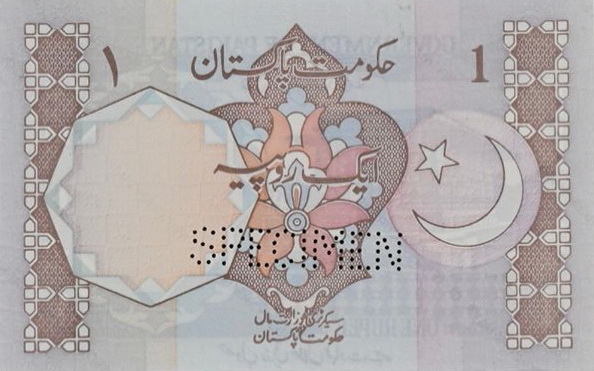
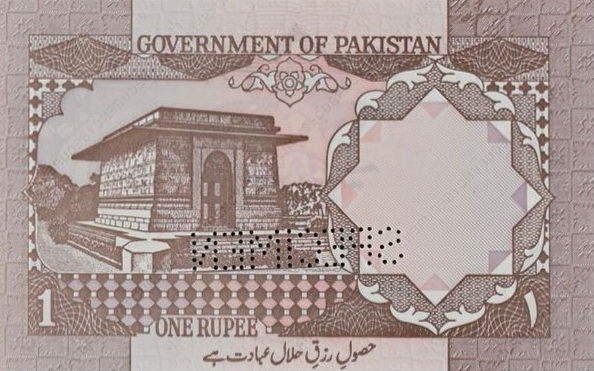
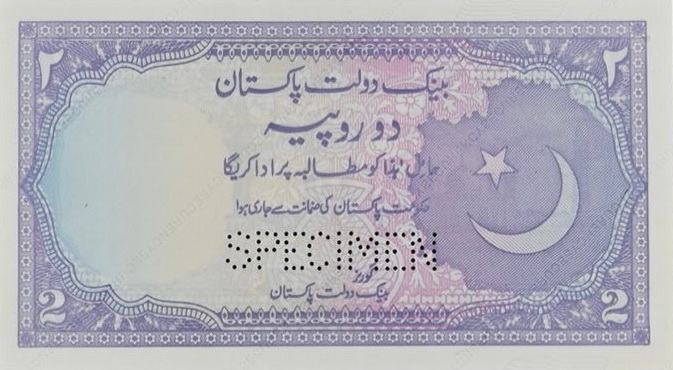
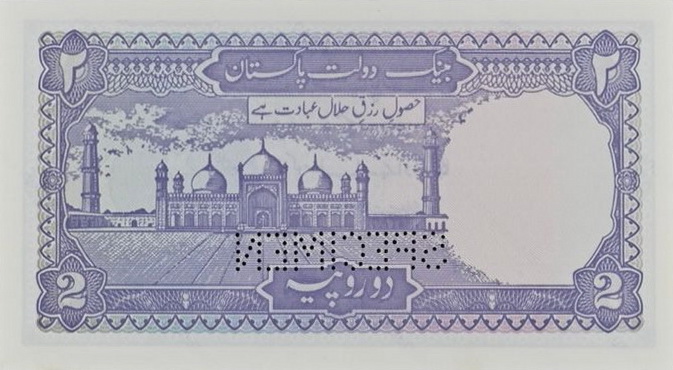
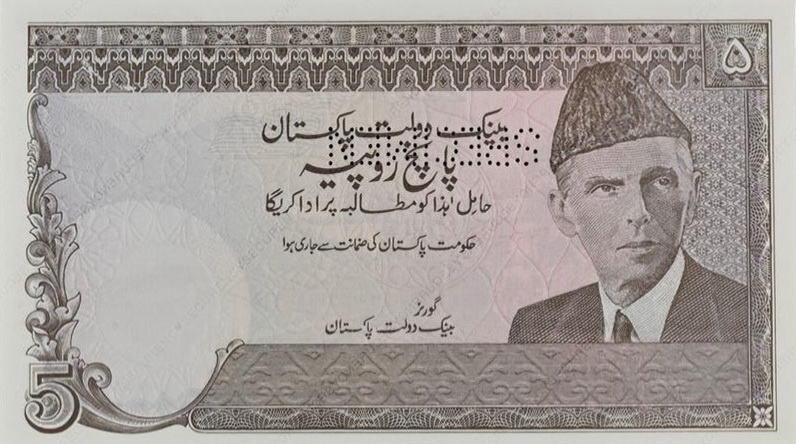
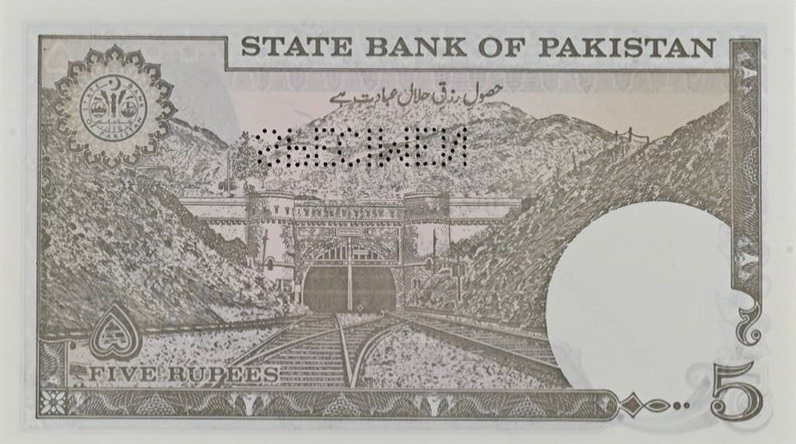
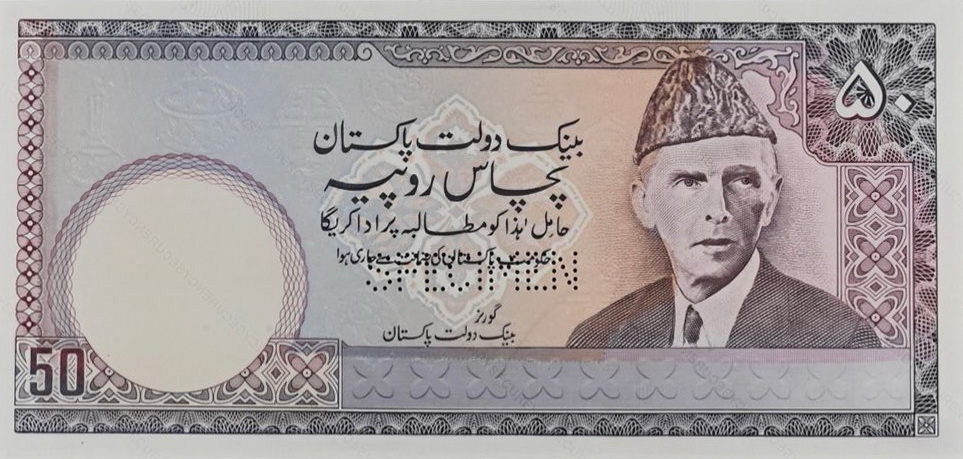
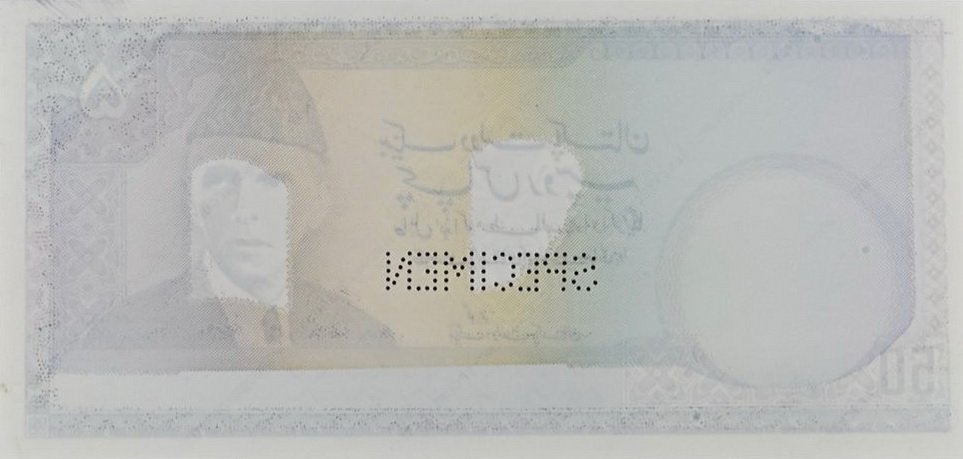
Each trial is believed to be unique as no other examples have been reported to be in private hands. These trial notes were simply that, trials that never resulted in issued notes. The State Bank of Pakistan never adopted polymer for use on any circulating banknotes.
In recent years, the State Bank of Pakistan has begun to consider a polymer substrate for its circulating notes, but it has not happened yet. Reasons for this have been given as "too expensive" and/or "technology not from Pakistan." We remain curious to see what happens in the future.
Donald Ludwig, February 23, 2026
