


British wildlife will replace historical figures on the next series of Bank of England (BoE) banknotes, and the public can provide their input on which animals will appear. This spells the end for the - sometimes controversial - choice of historical characters that have appeared on £5, £10, £20 and £50 banknotes for more than 50 years.
A panel of experts will draw up a wildlife shortlist to put before the public. The final decision will be made by the BoE Governor, but it is likely to be several years before the new banknotes enter circulation. Nature was the most popular theme in the 44,000 responses to a public consultation and focus groups on banknote imagery. Some 60% of respondents selected it as one of their preferred themes, ahead of architecture and landmarks (56%), historical figures (38%), arts, culture and sport (30%), innovation (23%), and noteworthy milestones (19%), the BoE said.
Wildlife already appears on banknotes in the UK, with mackerel, otters, red squirrels and osprey featuring on notes issued by the Royal Bank of Scotland. See HERE for a fascinating article on the current Royal Bank of Scotland series (with great images!):
https://www.geldscheine-online.com/post/royal-bank-of-scotland-uk-die-aktuelle-polymerserie-ein-blick-dahinter
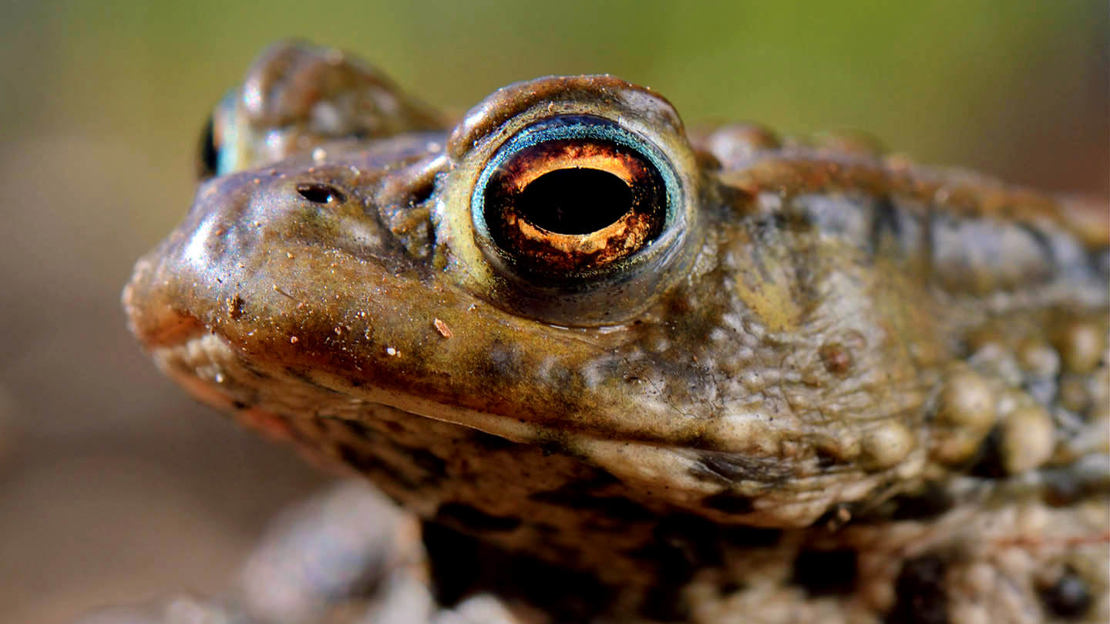
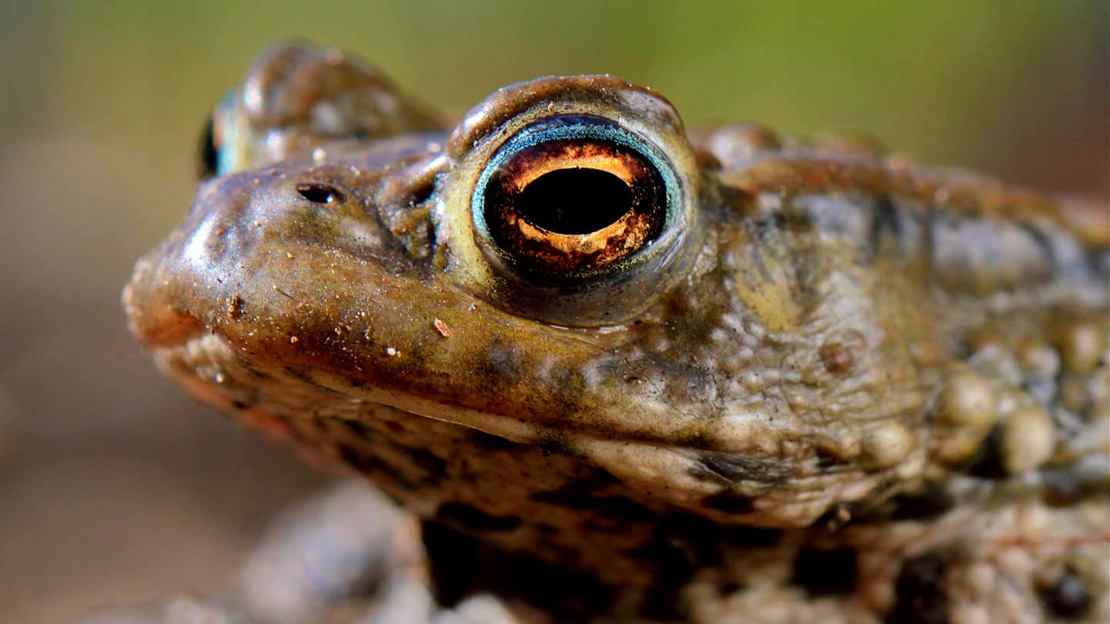
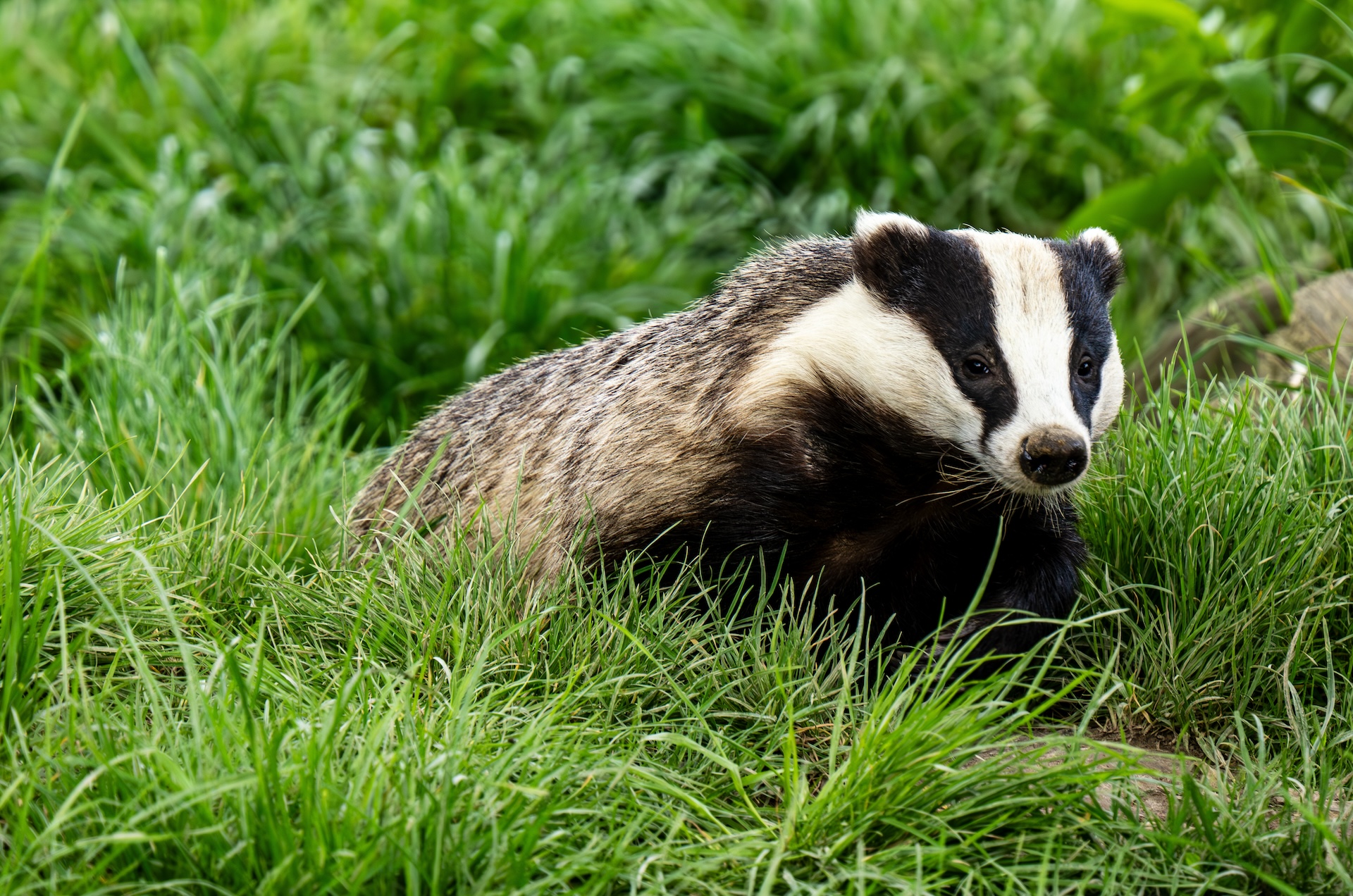
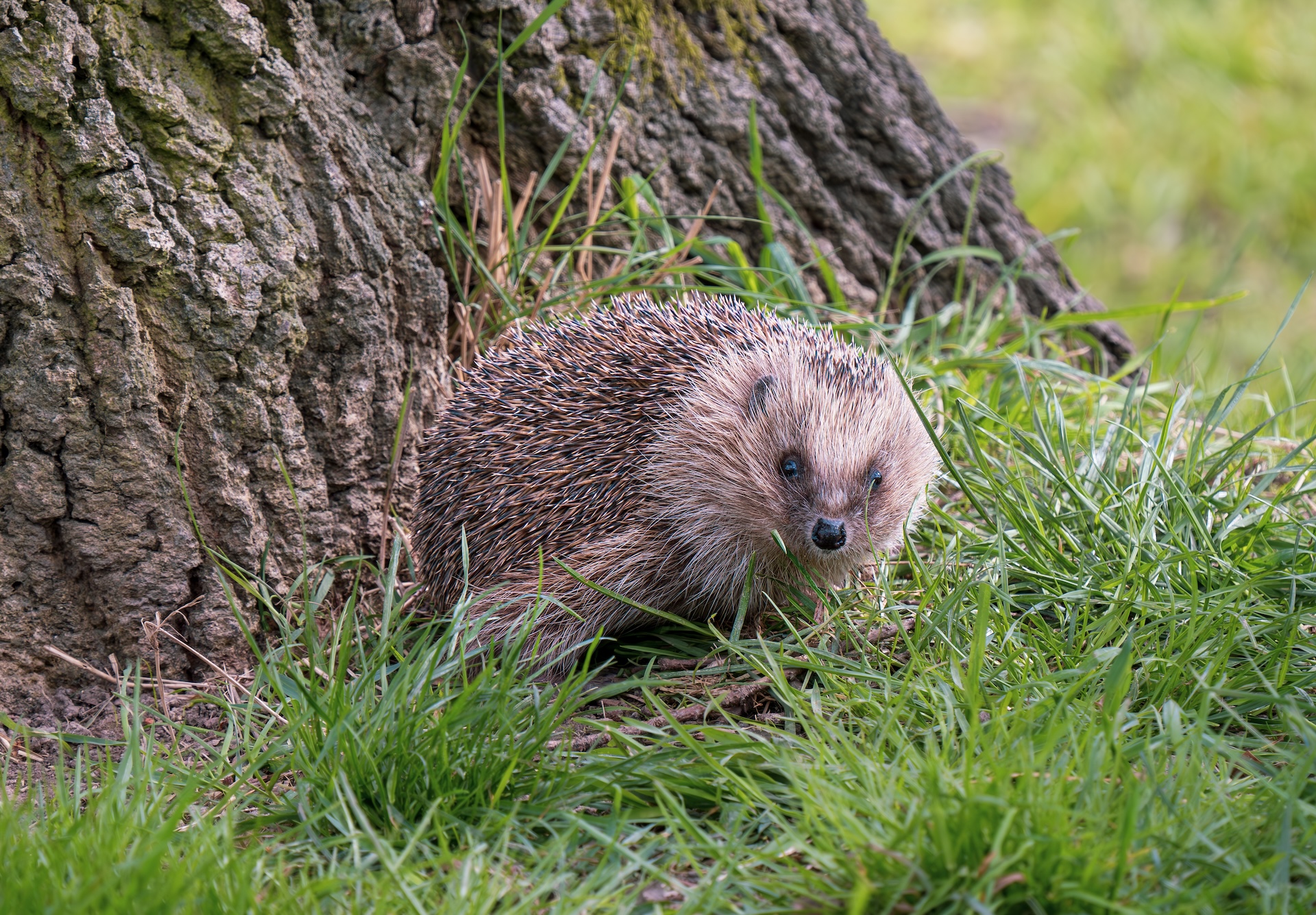
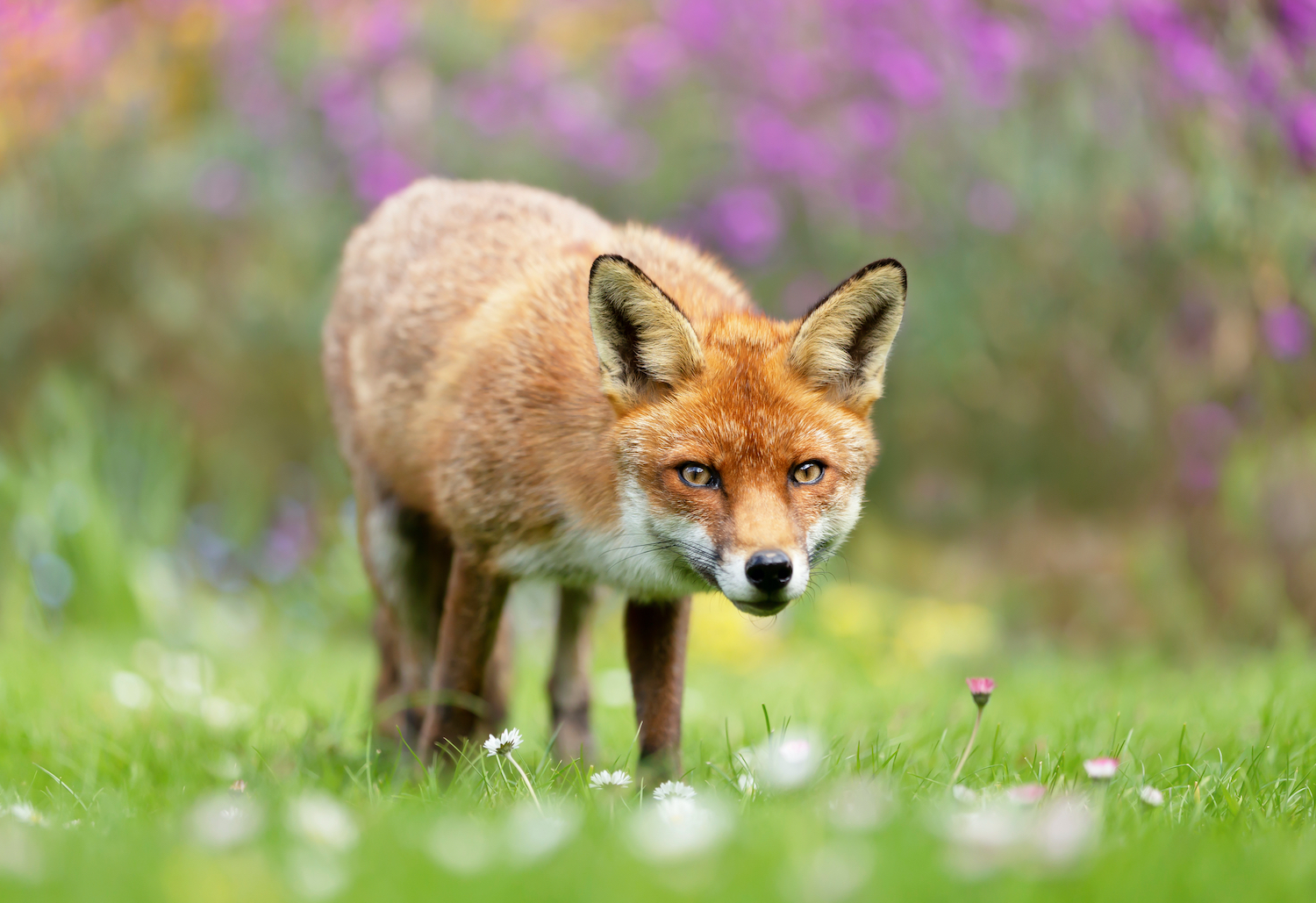
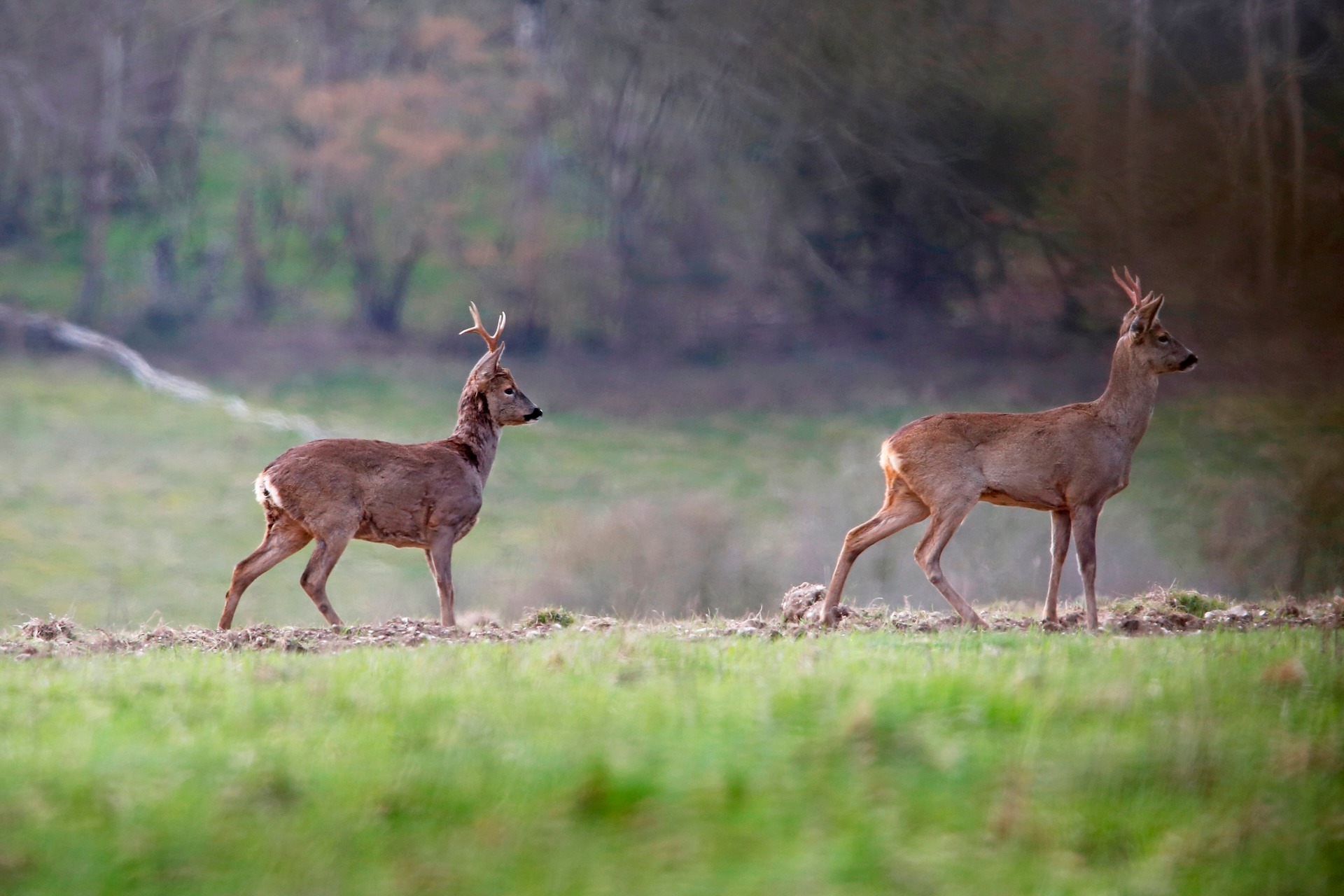
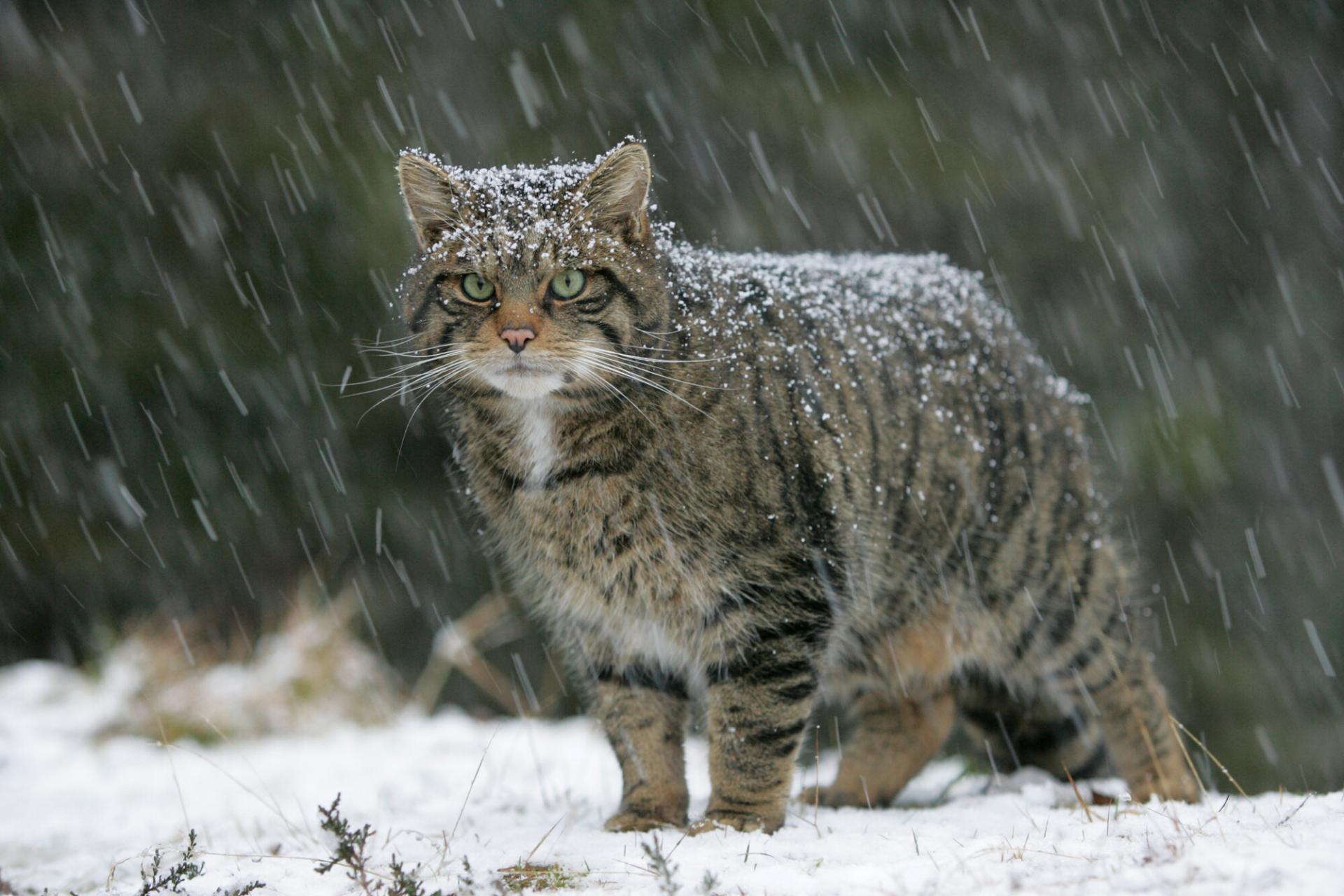
Mammals and birds indigenous to the UK include the red fox, roe deer, badger, hedgehog, the pine marten, the mountain hare, the Scottish wildcat, the red kite, the peregrine falcon, puffin, the white-tailed eagle, kestrel and buzzard. The UK has 6 native reptile species and 7 native amphibian species, including the common toad. The UK also hosts about 40% of the global grey seal population. Various cetaceans, including whales, dolphins and porpoises, are found in surrounding waters. Thus, the selection is large.
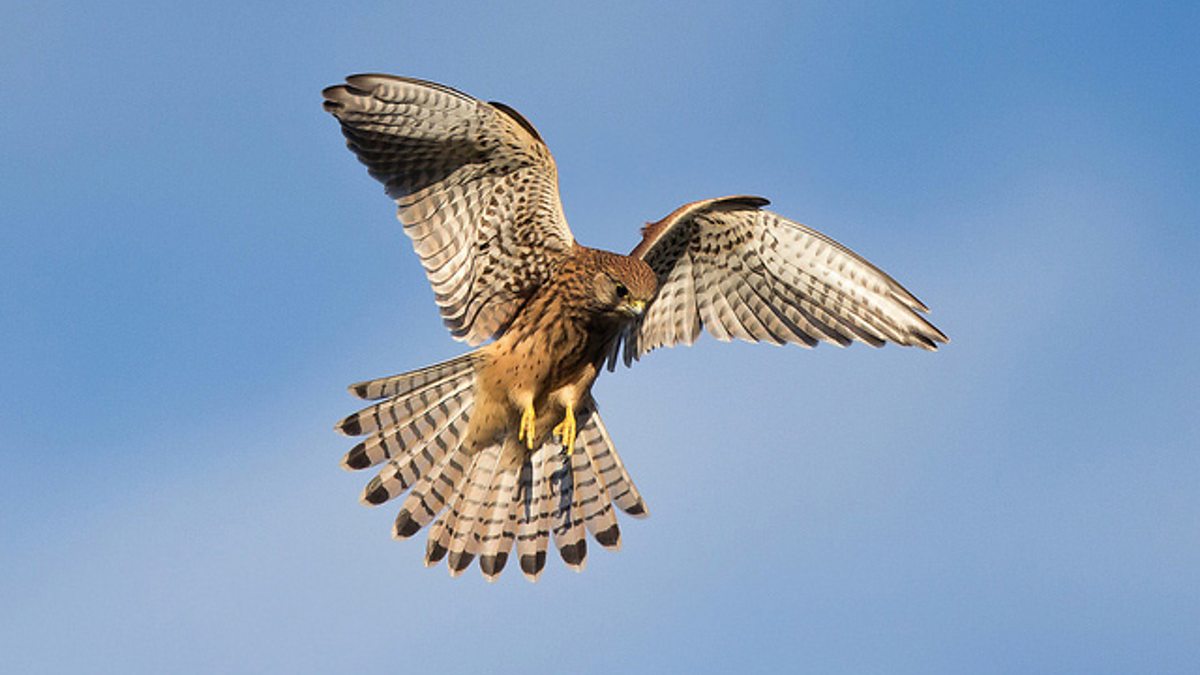
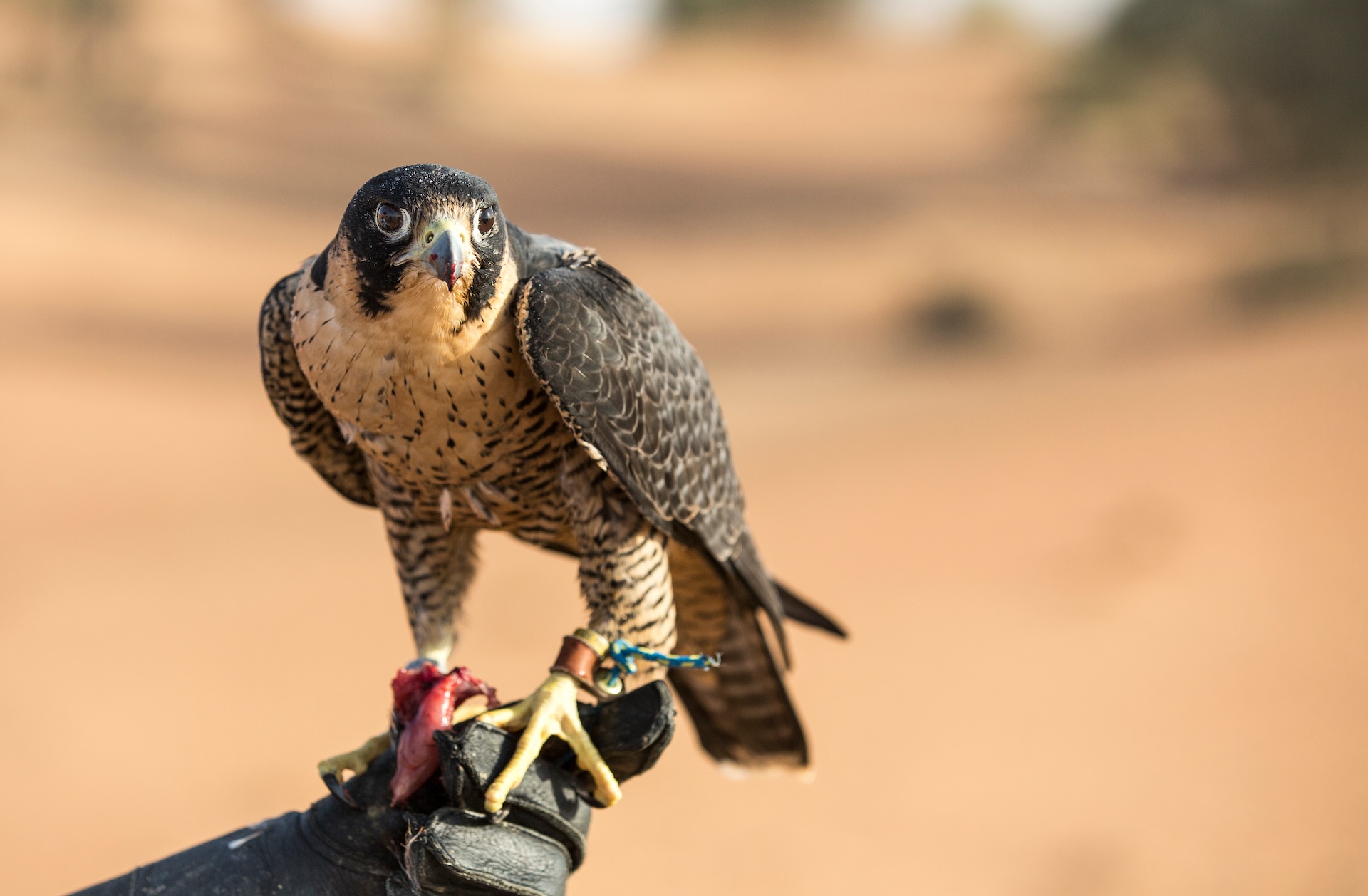
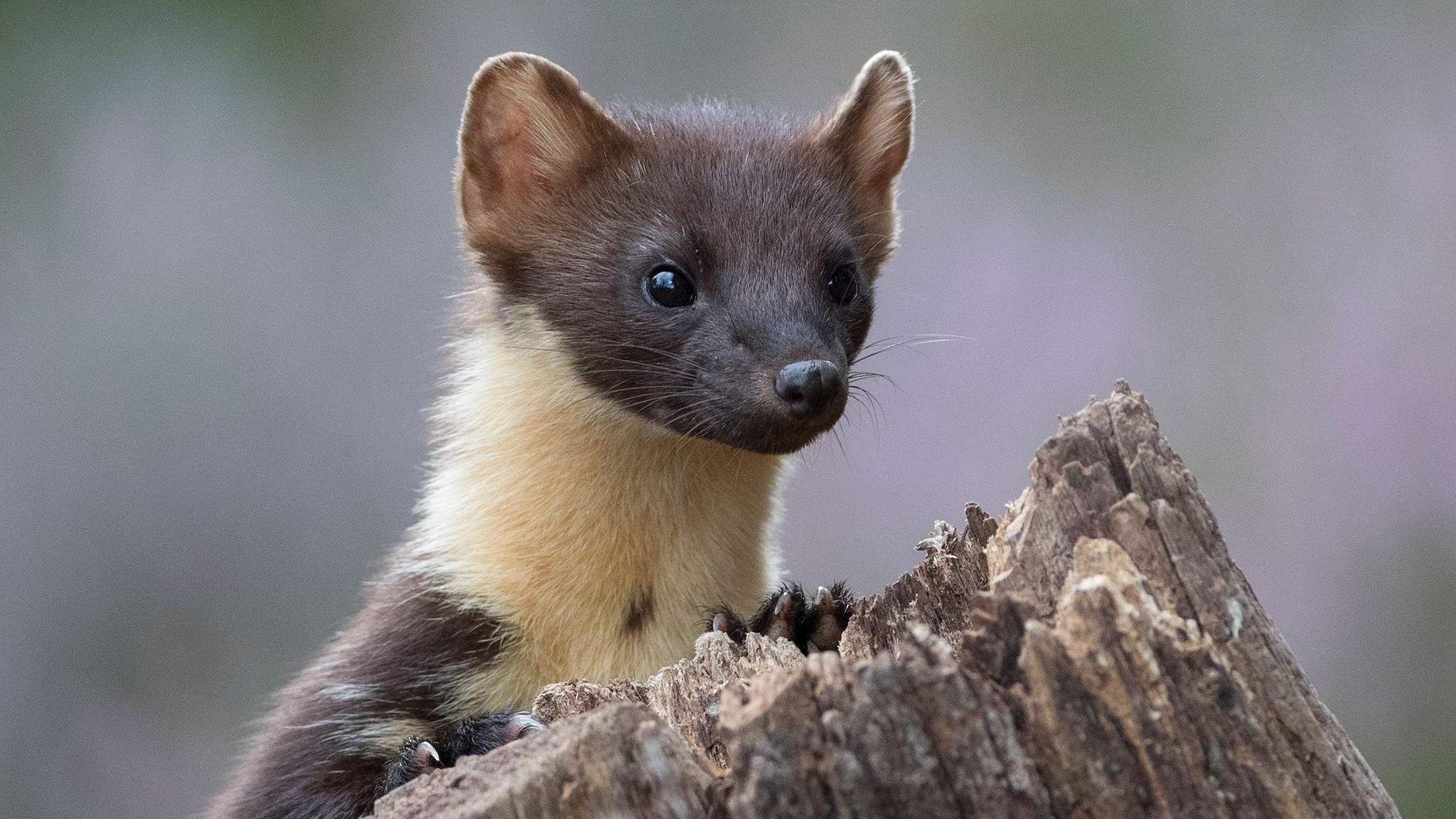
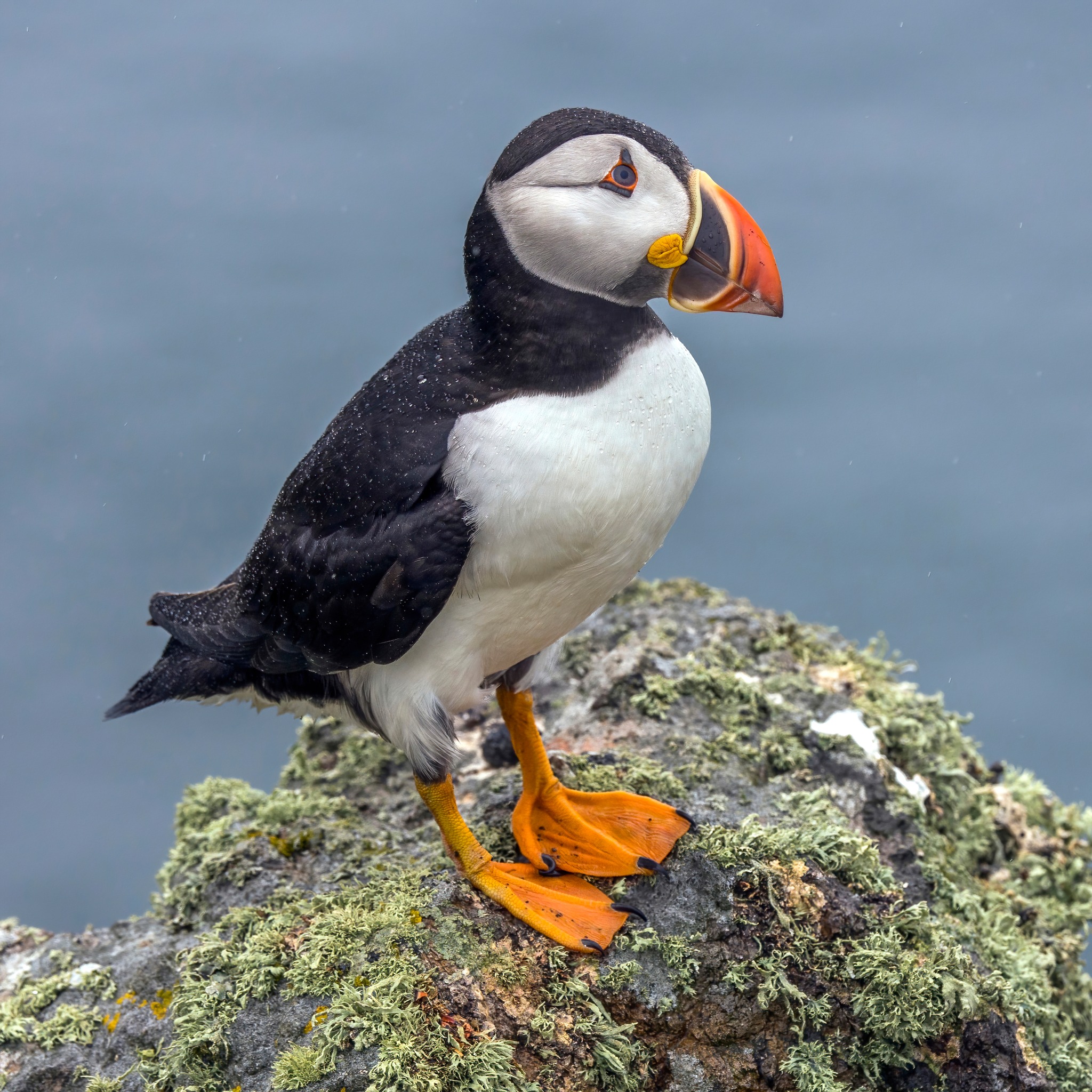
In 2013, the BoE found itself mired in controversy owing to the absence of any women, apart from Queen Elizabeth II on its banknotes. There has never been a historical figure who is black or from an ethnic minority background on any UK banknote. Bosses at the BoE may feel they are less likely to face a backlash with choices of wildlife.
In the summer, the public will be invited to say which specific wildlife, native to the UK and from the shortlist, they would like to see featured on the next series of banknotes. Household pets will not be considered. The new polymer banknotes may also incorporate other elements from nature, such as plants and landscapes, to complete the design.
Stay tuned for further details on the next series of UK banknotes.
It is interesting to note that the new British coin designs prominently feature British flora and fauna: from the Royal Mint website: "The new definitive designs created for coins of His Majesty King Charles III therefore continue a long tradition that stretches back all the way to ancient Greece. A watershed moment for British coinage, these new designs, more or less for the first time, step away from the heraldry that has dominated for centuries. The timing of this could not be more apt, as coinage designs have often, in one way or another, represented the era in which they were made. For a king who has dedicated much of his life towards the conservation of the natural world, they represent a lifetime’s work. Equally, in an era when nature and wildlife are increasingly under threat from climate change, they are a reminder of the beauty of the natural world and what is at stake."
Donald Ludwig, March 13, 2026
